Quiet Devotion

Quiet Devotion is a series of pencil drawings inspired by historical devotional art. Drawing upon works by Giovanni Battista Salvi, Sir Ninian Comper and Douglas Strachan, the series reinterprets images of Mother Mary, King Edward the Confessor and Queen Margaret of Scotland through the slow and intimate act of drawing.
To carefully redraw these figures is itself an act of quiet devotion. Pencil requires patience, observation and time. Through the repetition of line and gentle building of tone, I contemplate the faith, humility and service represented by each figure.
These works consider how sacred images are carried from one generation of artists to another. Quiet Devotion is not simply about looking back at religious art, but continuing a conversation with it—finding stillness in the act of drawing and allowing devotion to pass quietly from one hand to the next.


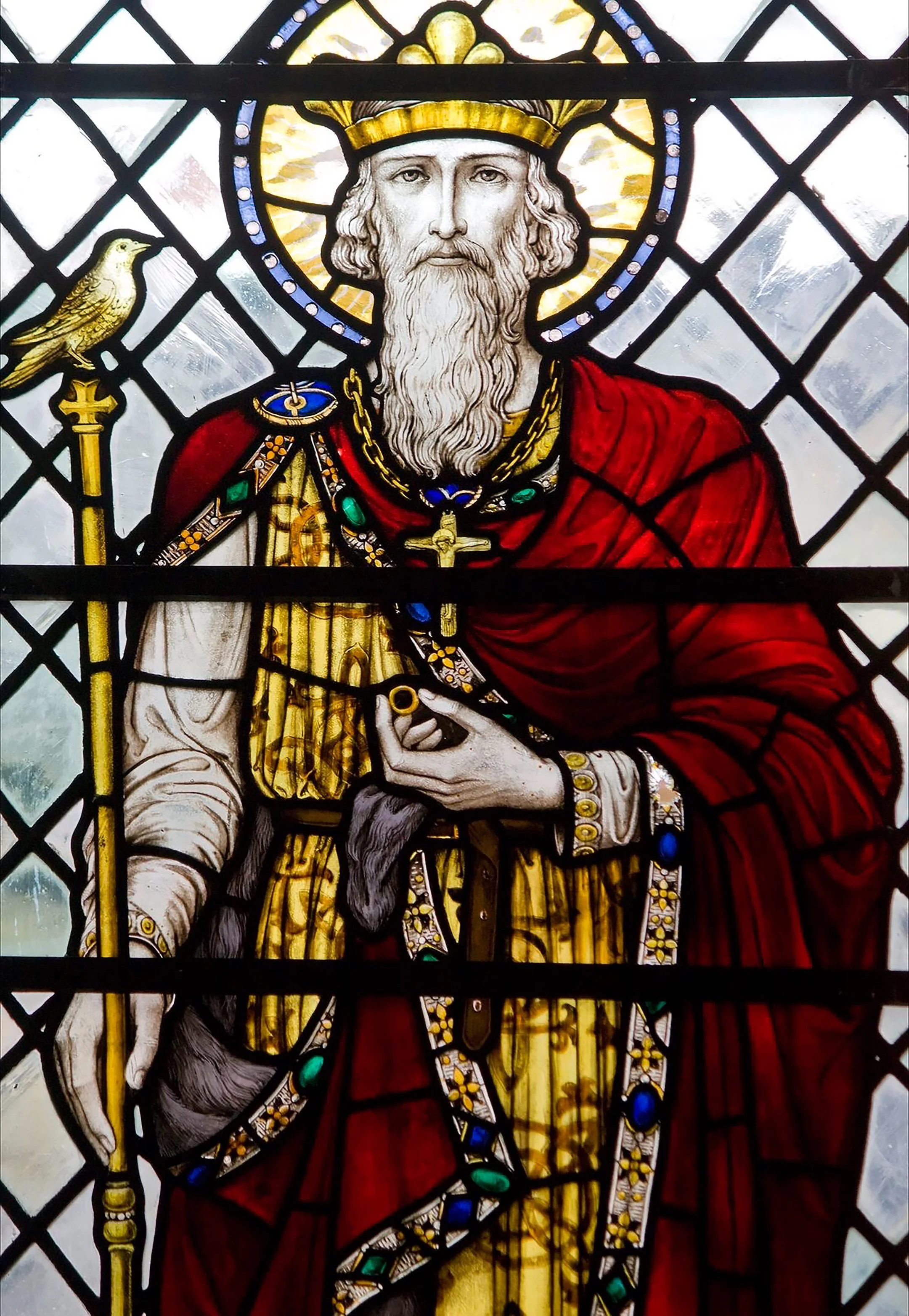
King Edward the Confessor after Sir Ninian Comper
Graphite pencil on paper, June 2026
King Edward the Confessor portrays faith carried alongside the responsibilities of earthly power. Crowned and holding the symbols of kingship, Edward also holds the ring associated with his acts of charity and devotion. The drawing considers a ruler remembered not simply for authority, but for piety, generosity and a life directed towards God. As part of Quiet Devotion, the work reflects on the possibility of maintaining an inward spiritual life while carrying the weight of the world.

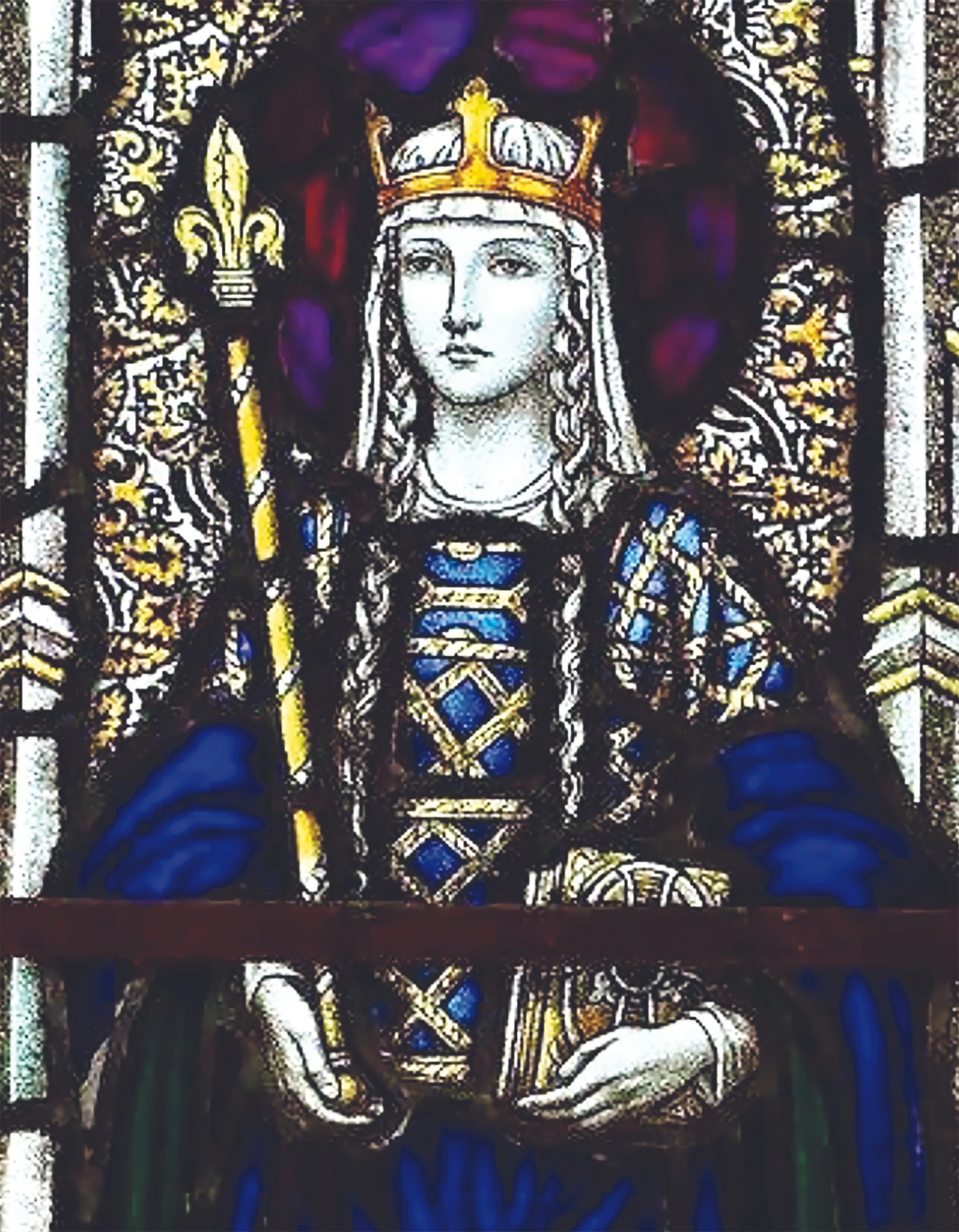
Queen Margaret of Scotland after Douglas Strachan
Graphite pencil on paper, May 2026
Queen Margaret of Scotland portrays a woman whose royal position was deeply shaped by faith, charity and service. Holding a book as a symbol of learning and devotion, Margaret appears calm and composed beneath the weight of the crown. As part of Quiet Devotion, the drawing reflects on a faith expressed through compassion and care for others—suggesting that true strength can be found in humility, kindness and a life quietly directed towards God.

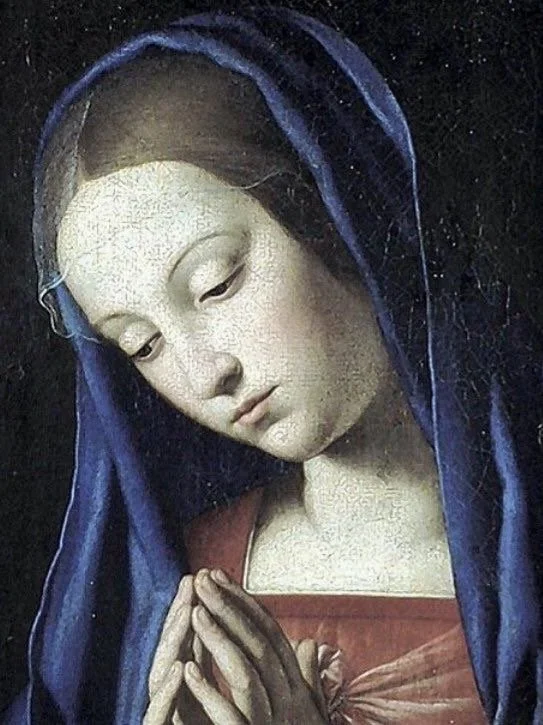
Mother Mary after Giovanni Battista Salvi
Graphite pencil on paper, June 2026
Mother Mary is a quiet study of faith, humility and contemplation. With her eyes lowered and hands held gently in prayer, Mary appears absorbed in an inward moment of devotion. The softness of the pencil reflects her stillness and tenderness, presenting faith not as spectacle, but as something deeply personal—a quiet surrender of the heart to God
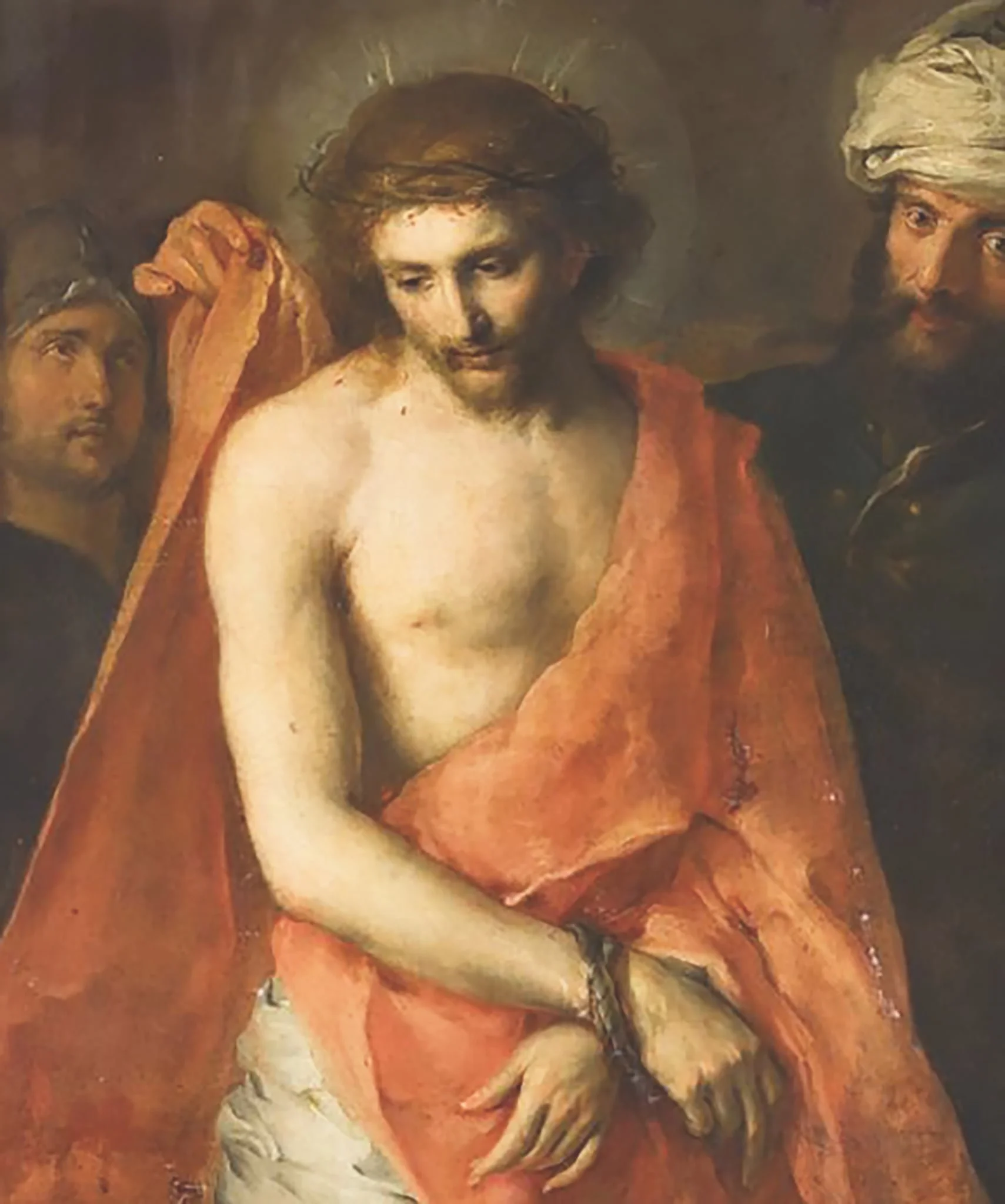
Ecce Homo (Consider the Man) after Antonio Correggio
Graphite pencil on paper, August 2026
This drawing reflects on Christ at one of the most vulnerable moments of the Passion: humiliated, bound, abandoned and placed at the mercy of others. What moves me most is not only the physical suffering, but the loneliness of the moment. He appears surrounded by people, yet completely isolated, knowing that even greater suffering still lies ahead.
The image makes me think about the capacity human beings have for cruelty. An innocent man becomes the subject of violence and torture, and that is difficult to comprehend. It raises uncomfortable questions about hatred, power and how easily compassion can disappear. At the same time, I am drawn to Christ’s response. He has every reason to be angry and every reason to desire revenge, yet the Gospels do not present him as consumed by hatred. He suffers deeply, but he does not allow that suffering to make him cruel.
His patience and forgiveness are difficult lessons. For me, the drawing is therefore not only about suffering. It is also about trust: trusting that God is present even in darkness, and trusting in the love of God rather than the anger of God. Christ’s strength is not expressed through retaliation, but through mercy, patience and kindness. I find that both confronting and hopeful.
The people around Christ may have power over his body, but they do not have the power to make him become like them. In the midst of violence, he remains guided by love.

The softness of pencil and the restrained absence of colour give the works a still, prayerful quality. Crown, staff, book and folded hands become symbols of faith carried inwardly. Quiet Devotion considers the private space of belief—the silence in which faith, service and love are allowed to grow.